
Veterans and Mesothelioma: Understanding Military Asbestos Exposure and Legal Options
Many veterans served aboard ships, repaired military vehicles, maintained aircraft, worked in boiler rooms or lived and worked in older military buildings. During periods when asbestos was widely used, those assignments could place service members near insulation, gaskets, valves, pumps, brake components and construction materials containing asbestos.
When a veteran is diagnosed with mesothelioma or another asbestos-related disease decades after discharge, the family may not immediately connect the illness to military service. The connection can be difficult to recognize because asbestos-related diseases frequently develop long after exposure. A careful review of the veteran’s branch, duty stations, military occupational specialty and civilian career is often necessary.
Veterans should also understand that VA disability benefits and claims against private asbestos companies are different legal avenues. One does not automatically replace the other, and eligibility for either depends on the evidence and applicable rules.
Where military asbestos exposure may have occurred
Asbestos was valued for heat resistance, fire protection and insulation. Those properties made it common in military environments where ships, engines, boilers and machinery operated at high temperatures.
Navy ships and shipyards
Sailors and shipyard personnel may have worked around insulated steam pipes, boilers, pumps, valves, turbines, gaskets and fireproof materials. Engineering spaces were often confined, and maintenance could disturb aging insulation. Boiler technicians, machinist’s mates, pipefitters, hull-maintenance workers, electricians and others may have worked directly with or close to asbestos-containing products.
Exposure was not limited to the person removing insulation. Nearby personnel could inhale fibers released by repairs, overhauls or cleanup. Sleeping and working quarters near mechanical spaces may also be relevant to the exposure history.
Military construction and building maintenance
Barracks, bases, warehouses and other older structures could contain asbestos flooring, ceiling materials, roofing, insulation, cement products and fireproofing. Service members involved in construction, renovation, demolition or maintenance may have disturbed those materials.
Vehicles, aircraft and mechanical equipment
Historically, some brakes, clutches, gaskets and heat-resistant mechanical components contained asbestos. Mechanics who removed, ground, cleaned or replaced those parts may have encountered asbestos dust. The presence of asbestos must be established through evidence concerning the particular equipment, product and time period.
Civilian employment after service
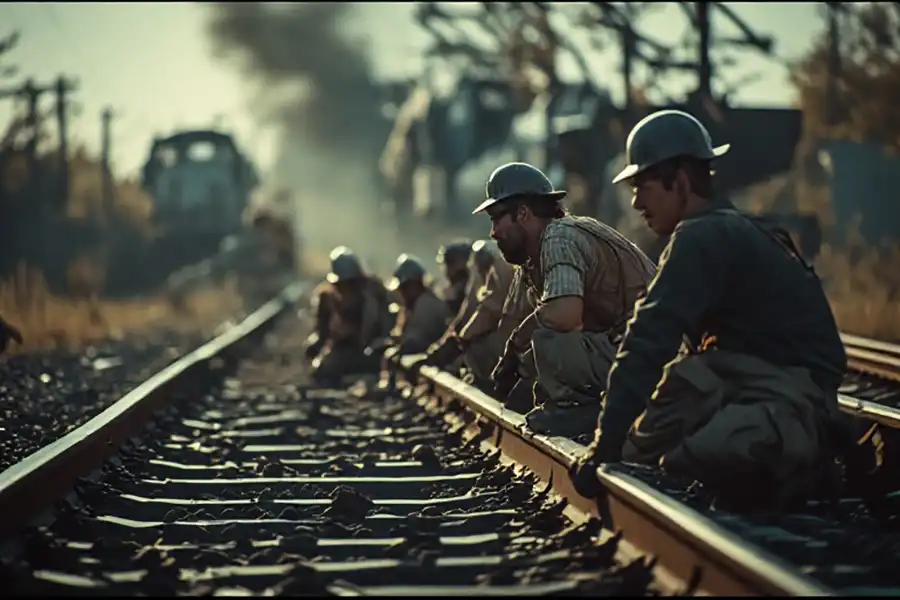
A veteran may have experienced asbestos exposure both during and after military service. Railroad work, shipyard employment, construction, industrial maintenance, refining and power generation are examples of civilian occupations that may also be relevant. A complete investigation should examine all potential exposure sources instead of attributing the disease to one setting without evidence.
Conditions associated with asbestos exposure
The National Cancer Institute identifies mesothelioma and lung cancer among the serious diseases associated with asbestos exposure. Asbestosis, a chronic scarring disease of the lungs, and certain pleural abnormalities are also associated with asbestos.
Symptoms such as shortness of breath, chest pain, persistent coughing, abdominal swelling or unexplained weight loss can have many causes. Only a qualified medical professional can diagnose an asbestos-related condition. Veterans with concerns should discuss their complete military and occupational history with their healthcare provider.
VA disability compensation for asbestos exposure
The U.S. Department of Veterans Affairs explains that a veteran with a health condition caused by asbestos exposure during military service may be eligible for disability compensation. The VA generally requires evidence of a current condition, evidence of in-service exposure and a connection between the condition and service. The agency provides current information on its Veterans asbestos exposure page.
A VA claim is an application for veterans benefits. It is not the same as a civil claim against a manufacturer, supplier, contractor or other private entity. VA-accredited representatives can assist with the benefits process, while an asbestos attorney can evaluate potential civil claims. Families should make sure they understand which professional is handling which matter.
Civil asbestos claims involving veterans
Some military asbestos exposure involved products manufactured or supplied by private companies. Depending on the evidence and applicable law, a veteran may have a claim involving those entities. A legal investigation may review ship records, military duties, equipment specifications, product evidence, witness testimony and the veteran’s civilian work history.
Pursuing a claim against a private company is generally not the same as suing the federal government or blaming the military. The potential defendants and legal theories depend on the products, exposure circumstances and governing law.
The firm’s Veterans Exposed to Asbestos page offers additional information for former service members and their families.
Records that can help establish exposure
Families should preserve the veteran’s DD Form 214, personnel file, service treatment records, duty assignments, occupational specialty, ship or unit information and discharge documents. Photographs, letters home and personal notes may help confirm locations and duties. Civilian employment records and union documents are also important when exposure may have continued after service.
Create a timeline listing:
- Branch of service and service dates
- Ships, bases, units and duty stations
- Military job titles and daily duties
- Equipment, machinery and materials handled
- Overhauls, repairs or demolition projects
- Civilian employers and jobs after discharge
- Names of fellow service members and coworkers
Do not worry if every detail is unavailable. An initial timeline gives investigators a framework for locating additional records.
What families should know after a veteran’s death
If a veteran dies from mesothelioma or another suspected asbestos-related disease, surviving family members may have questions about both veterans benefits and civil legal rights. Available options can depend on the relationship to the veteran, medical evidence, prior claims, exposure history and filing deadlines.
Preserve the death certificate, pathology reports, oncology records and employment documents. If possible, speak with counsel before discarding work clothes, tools, photographs or service records. Legal deadlines may continue to run while a family is grieving, making an early consultation important.
How Sammons & Berry can evaluate a veteran’s case
Sammons & Berry, P.C. can examine the veteran’s military and civilian exposure history, identify potential private-company sources of asbestos, gather records and explain the legal options that may be available. The review is specific to the individual; a shared branch, ship or job title does not mean every veteran has the same exposure or claim.
Families can learn about asbestos-related diseases on the firm’s Mesothelioma & Lung Cancer page. To request an evaluation, complete the confidential qualification form.
Frequently asked questions
Does a veteran need proof of the exact asbestos product?
Not necessarily at the beginning. Service dates, duty stations, ship assignments, job duties and equipment can help an attorney investigate products and suppliers. Ultimately, the evidence required depends on the type of claim and governing law.
Can a veteran receive VA benefits and pursue a civil claim?
They may be separate avenues, but eligibility and the interaction between recoveries must be evaluated individually. Veterans should obtain advice about both processes and disclose related claims to the professionals assisting them.
Is Navy service required for an asbestos case?
No. Navy veterans are frequently associated with shipboard exposure, but members of other branches may have encountered asbestos in buildings, vehicles, aircraft, mechanical systems or construction work.
What if the veteran also worked around asbestos as a civilian?
Both histories should be investigated. Multiple exposures can be relevant, and a legal team should not ignore either military or civilian work.
If you or a loved one served in the military and later developed mesothelioma, lung cancer or another asbestos-related disease, Sammons & Berry, P.C. can review the service and work history. Request a confidential case evaluation.